

Green hydrogen is not the sole solution for the energy transition, but it is being evaluated as a critical link to complete the clean energy ecosystem toward the net-zero emissions goal (Net Zero). Possessing abundant renewable energy potential alongside an opening policy framework, Vietnam faces significant opportunities while also confronting the challenge of finding markets, infrastructure, and sufficiently efficient operational models to turn potential into economic value.
Technological Nature and the Position of Green Hydrogen in the Energy Transition
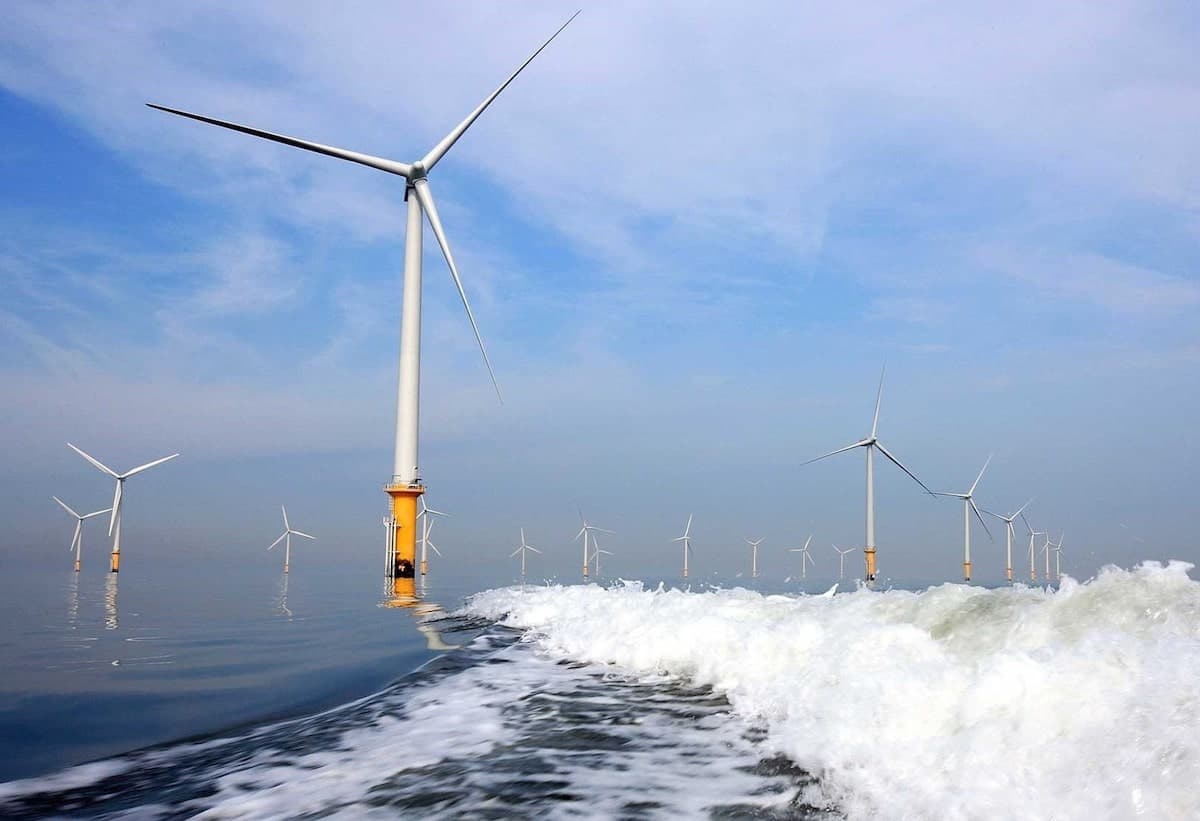
In nature, hydrogen is the most abundant element but rarely exists as free gas (H2), primarily residing in compounds such as water. Hydrogen itself is colorless and odorless; terms such as grey, brown/black, or green hydrogen are actually conventions used to distinguish raw material sources and processing technologies. While grey or brown hydrogen is produced from natural gas or coal and emits large amounts of CO2, green hydrogen is generated via water electrolysis using renewable electricity from wind or solar energy. Following new trends from the International Energy Agency (IEA), experts are shifting toward the definition of "low-emission hydrogen" based on actual greenhouse gas emission thresholds per kilogram of finished product, expanding raw material sources to include agricultural by-products, waste, or gas utilizing carbon capture technology (CCS/CCUS).
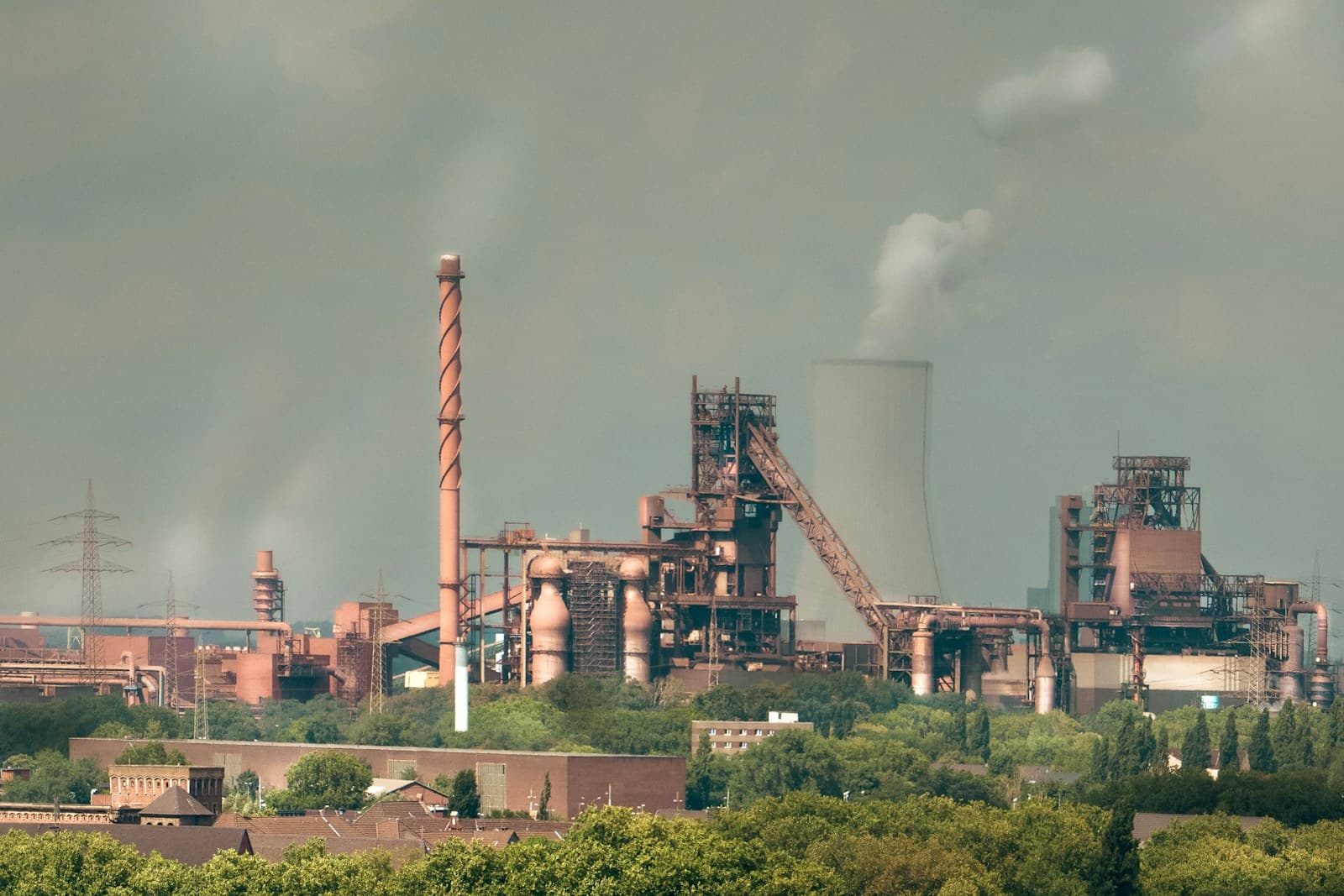
Currently, green hydrogen accounts for less than 1% of global hydrogen production, with actual low-emission hydrogen production worldwide over the past year failing to reach 1 million tons. Placed within the overall picture of the energy transition toward Net Zero, green hydrogen does not directly compete to fully replace renewable electricity, but rather acts as a "bridge" bringing clean energy to areas that are difficult to electrify or hard to decarbonize using conventional solutions. These include heavy industries such as metallurgy, oil refining, chemical and fertilizer production, alongside heavy transport, maritime shipping, and aviation.
Cost Reduction Trends and Market Competitiveness Opportunities
Although the current market remains narrow, the prospects for green hydrogen are receiving many positive signals. According to Assoc. Prof. Dr. Pham Hoang Luong (Hanoi University of Science and Technology, Vice President of the Vietnam Clean Energy Association), thanks to technological development and the downward trend in renewable electricity prices, hydrogen production costs have seen a significant downward trend. This creates crucial competitive opportunities for green hydrogen in the near future. Amid an energy transition that imposes high demands on the stability and diversity of the supply-demand system, hydrogen plays a pivotal role in ensuring sustainable energy security.
Also according to Assoc. Prof. Dr. Pham Hoang Luong, reducing production costs will create a solid foundation for the hydrogen industry to develop strongly, gradually replacing fossil fuels. However, because the direct-use market for green hydrogen may develop relatively slowly due to the requirement to synchronously change vehicles, equipment, and infrastructure, hydrogen derivatives are forecast to take a step ahead. For instance, green ammonia can immediately leverage a portion of existing systems and markets in fertilizer production while opening up new application directions in maritime shipping and sustainable aviation fuel production.
National Strategy and Investment Attraction in Vietnam
Globally, the clean hydrogen race is unfolding vibrantly as at least 74 countries have established development strategies. Among them, Japan led the way starting in 2017 with fuel cell vehicle trials, Germany focuses on safety standard systems, and South Korea promotes applications in transportation and power generation. Vietnam is also among the first group of over 40 countries to issue the National Hydrogen Energy Development Strategy through Decision 165/QD-TTg by the Prime Minister. The strategy targets the production of approximately 100,000 to 500,000 tons of low-emission hydrogen per year by 2030, increasing to 10 to 20 million tons per year by 2050, aiming to form an overall energy industry ecosystem. Concurrently, Decree 58/2025/NĐ-CP detailing several articles of the Electricity Law also adds specific investment incentive regulations for the new energy and renewable energy sectors.
Evaluating the implementation status more than a year after the issuance of the Strategy, Mr. Dang Hai Anh, Deputy Director General of the Department of Oil, Gas and Coal (Ministry of Industry and Trade), stated that Vietnam has attracted strong interest from domestic and foreign investors. Although projects are currently mostly in the investment preparation stage, they have initially demonstrated immense potential in producing hydrogen from renewable energy and carbon capture processes to serve domestic demand, head toward exports, and ensure national energy security.
Practical Picture from Projects and Pilot Models
The interest of the international community and enterprises is bringing hydrogen in Vietnam from policy discussions into specific trials. At the application and equipment scale, the market has recorded the Idefo-Messer collaboration aimed at producing 144 water electrolyzers with a capacity of 1 MW/unit/year, a 42 MW electrolysis model combined with fuel cells in Vinh Long, and trials using green hydrogen heat in the coffee roasting process.
At the large-scale industrial project level, the green hydrogen production complex in Phu My Industrial Park (Bình Định) invested by Phu My Investment Group is a highlight attracting attention with a total expected capital of about VND 21 trillion (nearly USD 1 billion). This project collaborates on technology supply with Siemens Energy and partners from the G7 group. According to the plan, phase 1 (2026–2030) will pilot 50MW, reaching a capacity of 450–500MW with an output of about 20,000 tons of hydrogen/year; phase 2 (2030–2035) will scale up capacity to 2,000MW, reaching an output of 160,000 tons/year.
Internal Bottlenecks and Constraints
Despite great prospects, realizing large-scale green hydrogen projects in Vietnam is encountering severe barriers. According to assessments from experts at the Vietnam Petroleum Institute (VPI) and the Vietnam ASEAN Hydrogen Club (VAHC), the market is facing four main groups of challenges.
The first is technological limitations as large-scale electrolysis, storage, and transportation solutions remain in the testing stage and domestic enterprises have not yet mastered the technology. The second is excessively high equipment and electricity investment costs, preventing green hydrogen prices from competing with fossil fuels. The third is a complete lack of auxiliary technical infrastructure such as pipeline networks, large-scale storage centers, and refuel stations for vehicles. And the fourth is a policy vacuum regarding detailed technical guidelines, safety standards, carbon pricing mechanisms, and specific financial support tools such as feed-in tariffs (FiT), contracts for difference (CfD), or carbon credits. In addition, unresolved issues regarding renewable energy transmission infrastructure shortages and the risk of scattered project approvals in localities lacking consumption infrastructure are major risks warned by experts.
International Cooperation - The Key to Unlocking Barriers for the Hydrogen Economy
Because hydrogen is a completely new field requiring high technology, large costs, and an in-depth legal framework that Vietnam lacks, experts affirm that updating experiences and enhancing international cooperation play a pivotal role. Through international cooperation, Vietnam can access effective implementation models, absorb advanced technologies such as high-efficiency water electrolysis, safe storage and transportation solutions, and access green financial sources. Experiences from pioneer countries also help Vietnam build a legal corridor suited to practical conditions, avoiding policymaking missteps.
Furthermore, actively engaging in deep cooperation with international partners also opens up opportunities to attract investment capital, receive technical support, and deeply connect into the global supply chain. From the business perspective, engaging in trade and equipment manufacturing cooperation with regional partners such as China or Singapore is considered a practical solution to lower production costs. At the same time, leveraging the professional strengths of major domestic energy and chemical conglomerates such as PVN, EVN, TKV... will serve as an important foundation for Vietnam to both meet domestic energy transition demands and gradually become a green hydrogen export hub in the future.
The journey to build a green hydrogen economy in Vietnam stands at a "golden moment" to transition from policy orientation to practical action. Although challenges regarding technology, costs, and auxiliary infrastructure remain very large, abundant renewable energy potential and strong Net Zero commitments serve as critical launchpads helping Vietnam attract global green investment capital.
Green hydrogen is not only the solution to energy security and low emissions but also opens up opportunities to position Vietnam as a leading regional clean energy production and export hub. To turn potential into practical economic value, close companionship among the Government, the business community, and international organizations in perfecting institutions, developing infrastructure, and optimizing costs will be the decisive factor in the success or failure of this future industry.
References
- Hydrogen xanh - Mảnh ghép cho bài toán Net Zero — PetroTimes
- Thị trường Hydro xanh tại Việt Nam: Chính sách đã mở, đầu tư còn chờ cơ chế — VnEconomy
- Mục tiêu đến năm 2030 Việt Nam sản xuất được năng lượng hydrogen xanh — Báo Điện tử Chính Phủ
- Hydrogen xanh tại Việt Nam: Cơ hội tỷ USD đi cùng thách thức — VietNam Finance