


Latest
Loading content…
Loading content…
Carbon credit markets and passive carbon accumulation
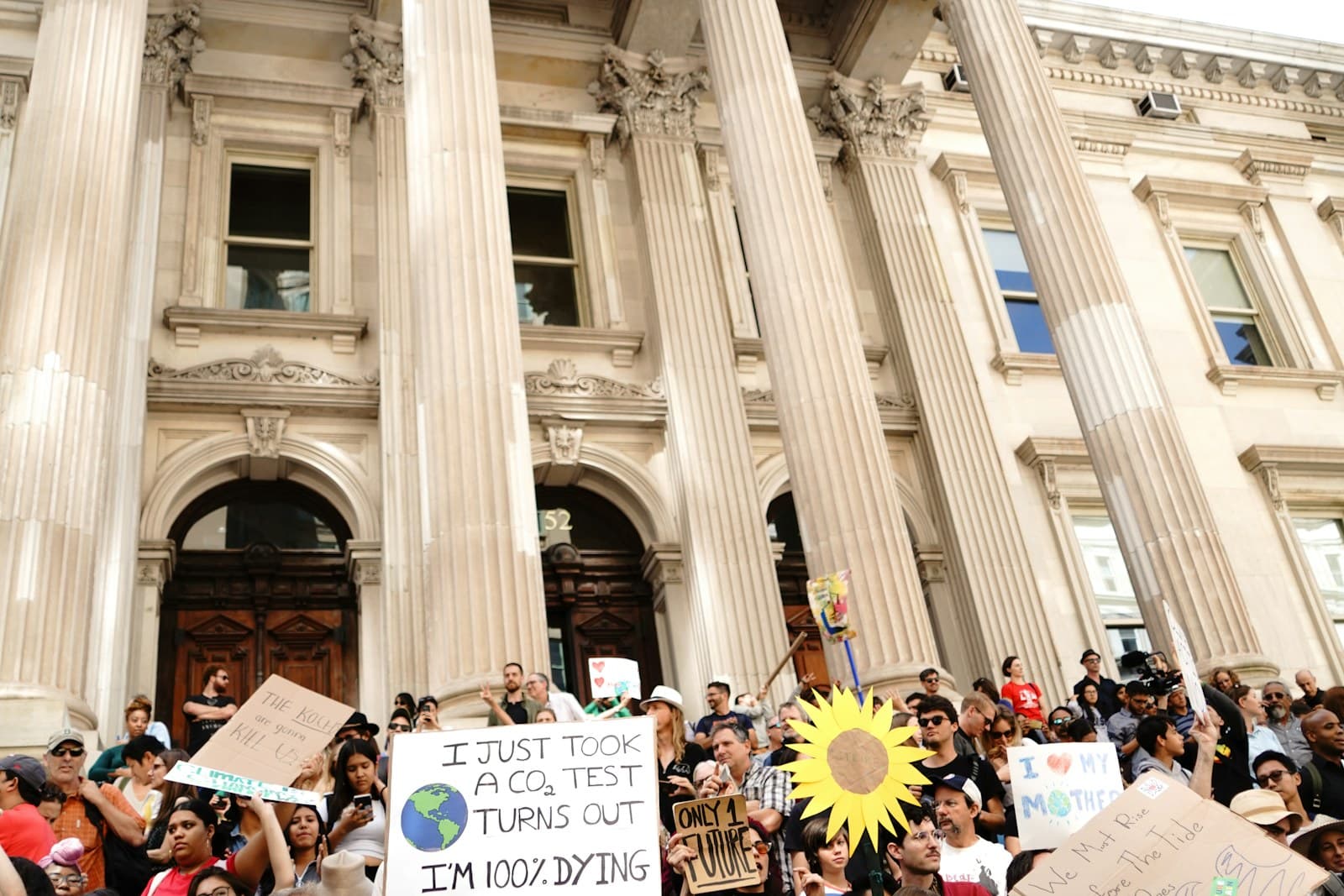
According to Dân trí, three common weaknesses are inconsistent facility-level data, box-ticking collection practices and missing source documents for traceability and verification.
Read moreCarbon credit markets and passive carbon accumulation
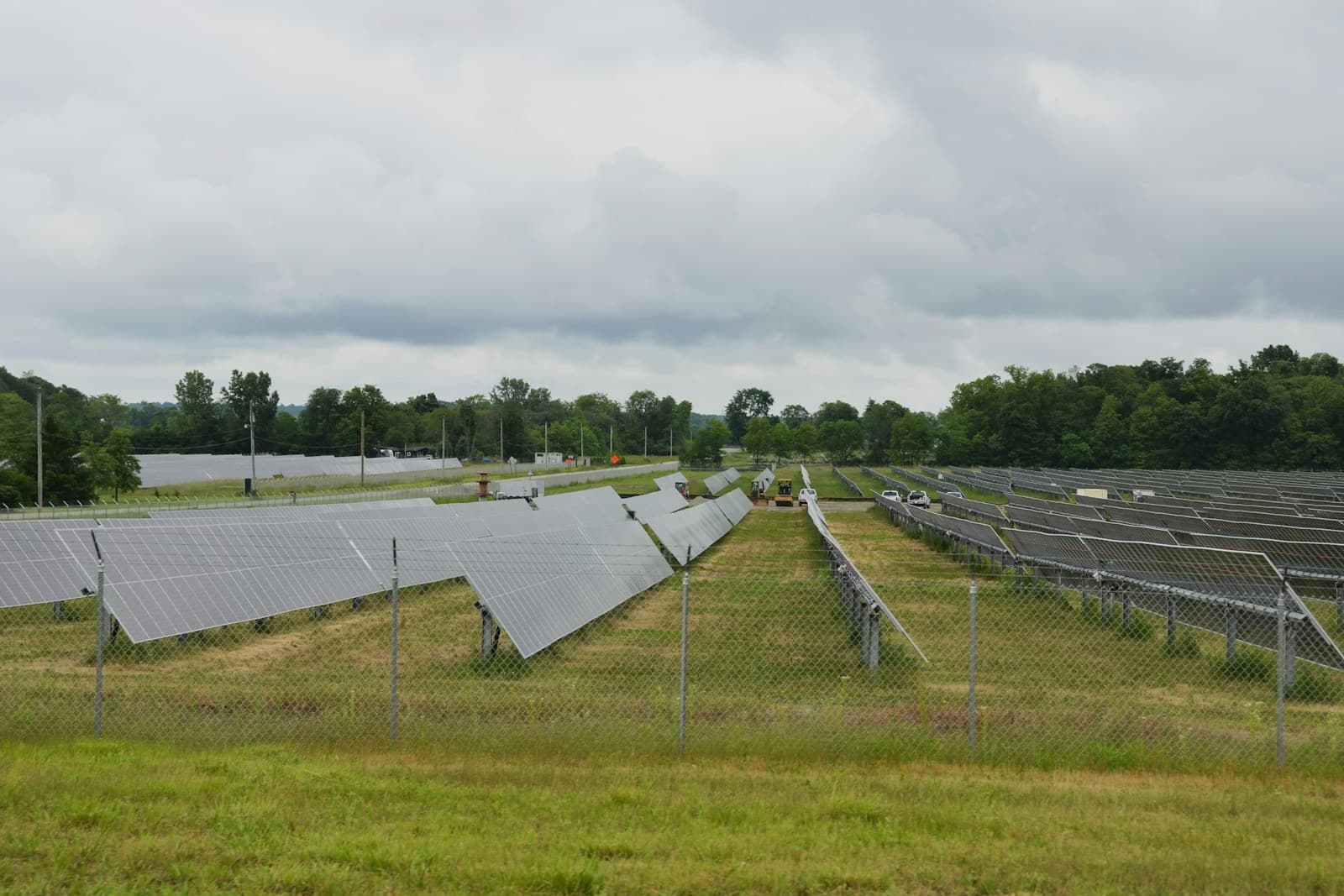
A carbon credit usually represents one tonne of greenhouse-gas emissions reduced or removed from the atmosphere, expressed as carbon dioxide equivalent. However, the figure “one tonne” describes only the quantity; the real quality and value of a credit also depend on how the emissions reduction was generated, measured, and verified.
Read moreLow-carbon industrial parks
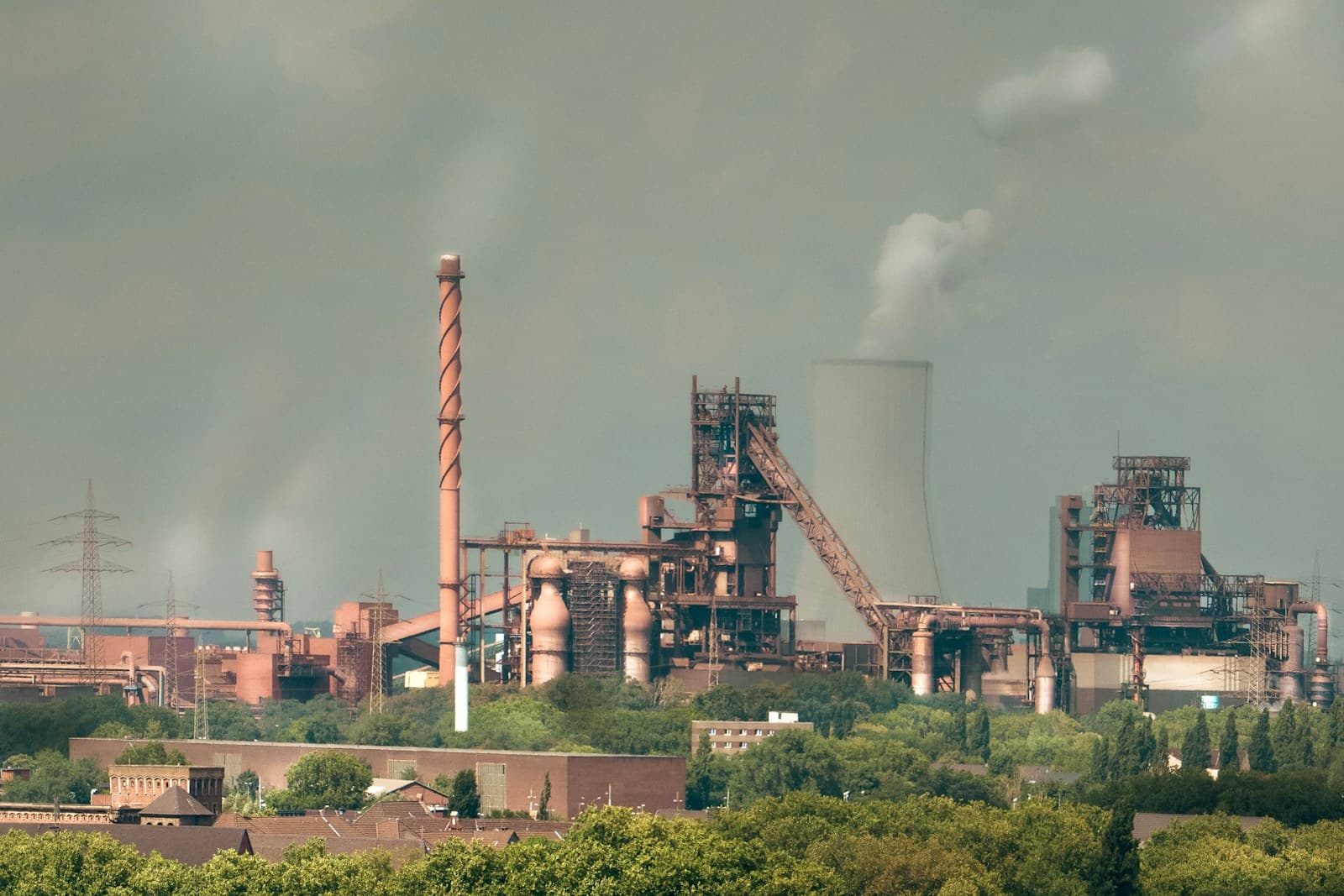
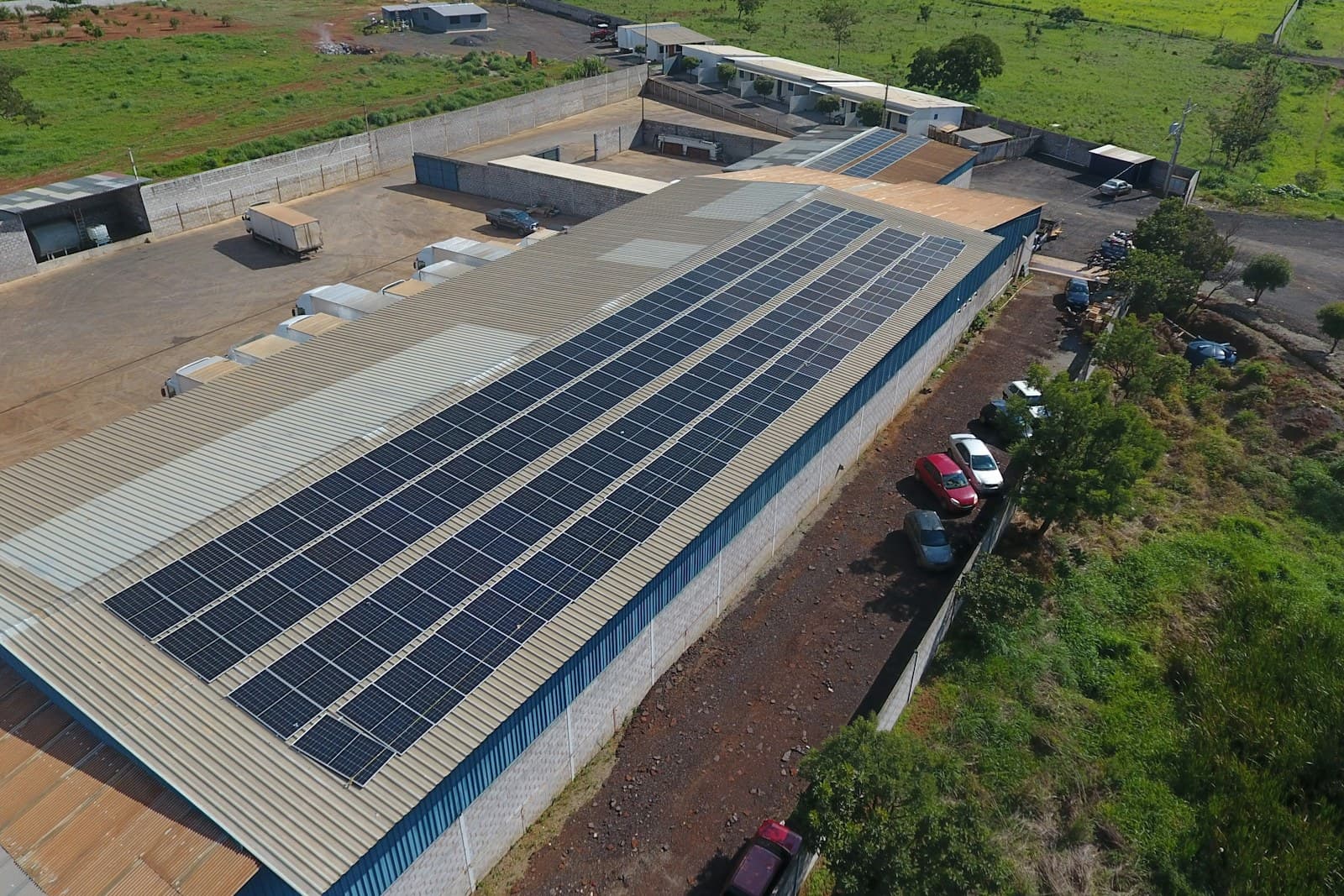
An industrial park cannot become low-carbon simply by installing rooftop solar panels or adding more green space. Behind the model is an ecosystem linking companies, infrastructure, energy, resources, data, and governance, with emissions measured and reduced across the entire park.
Read moreEPR and low-carbon transition
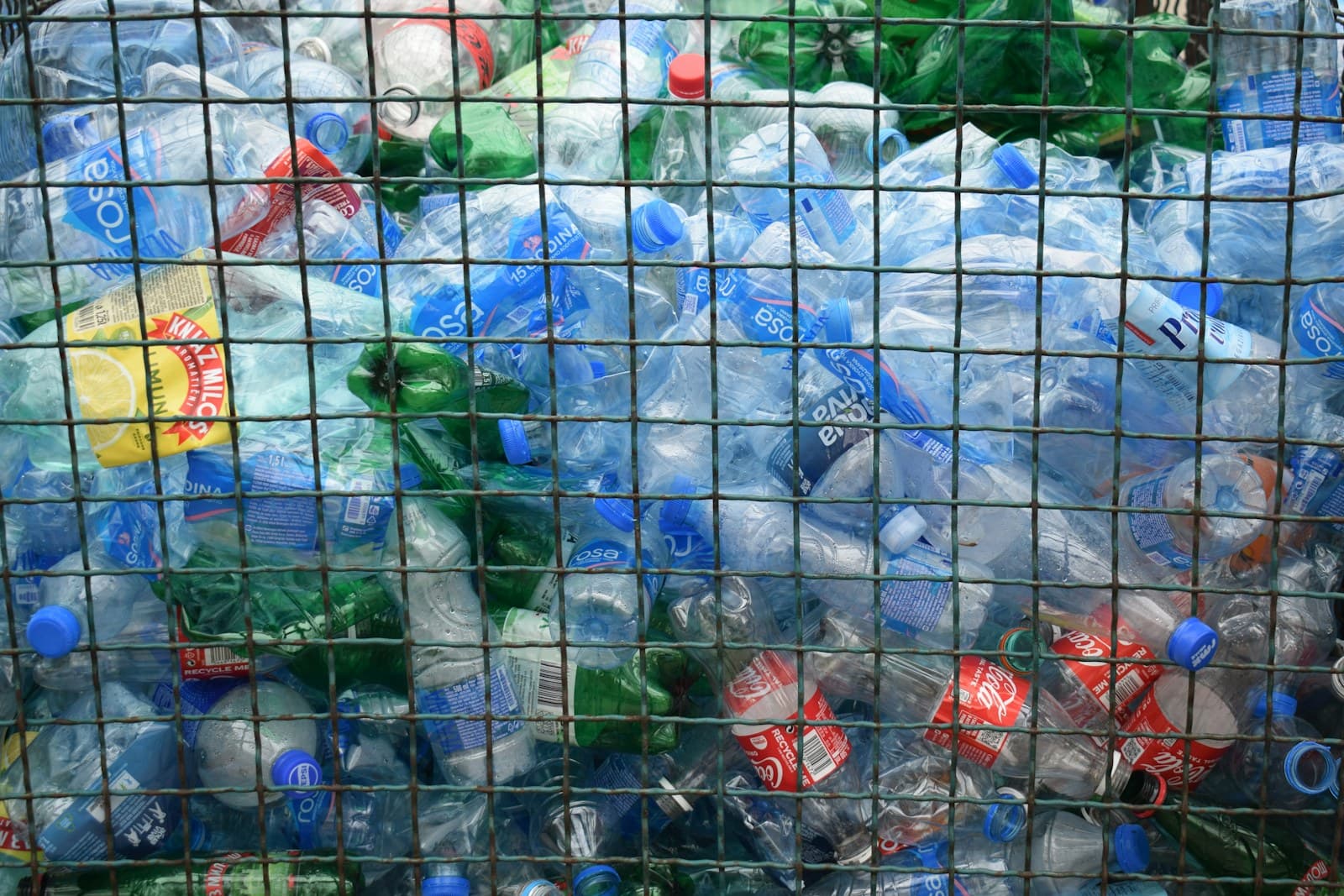
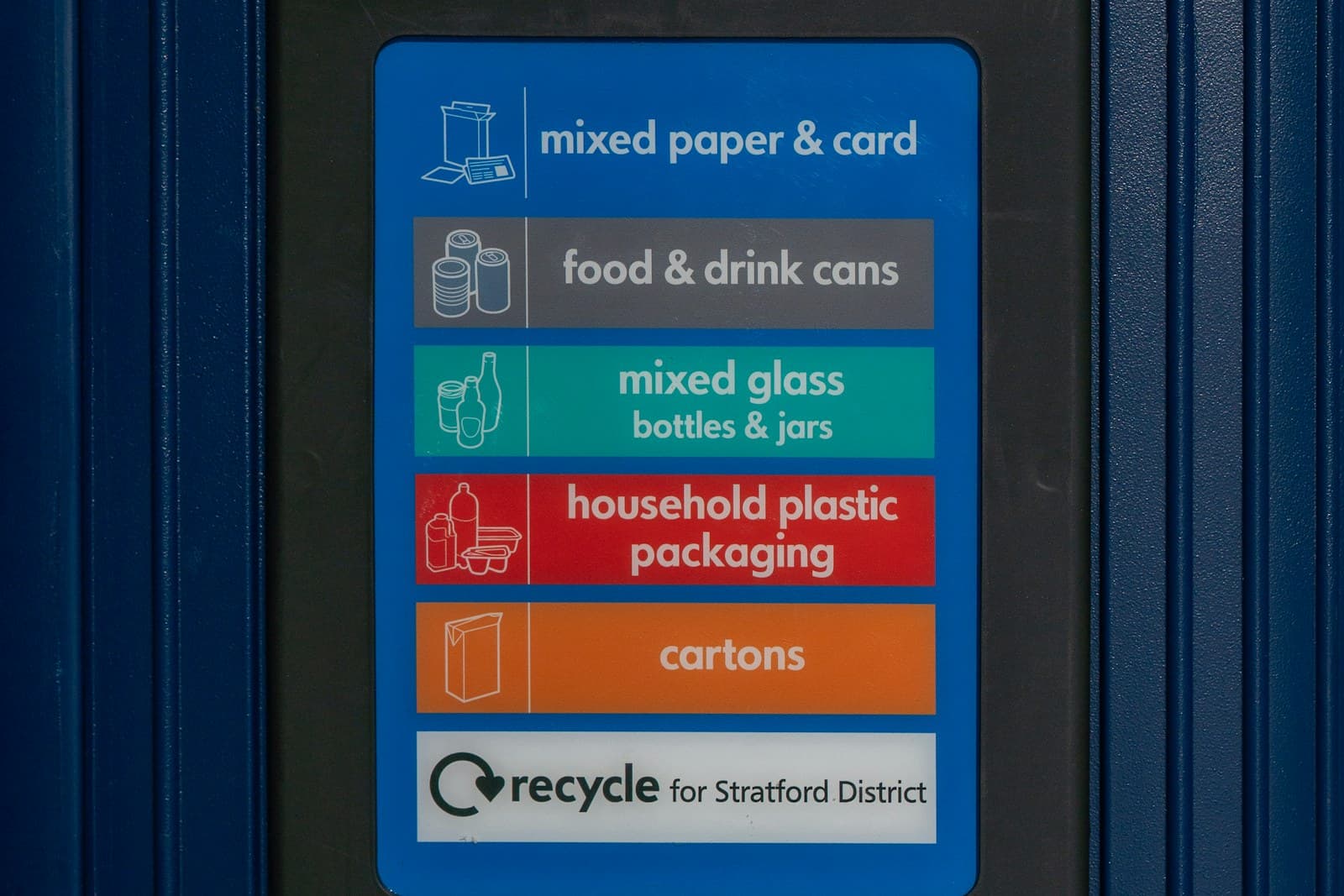
From 25 May 2026, Decree No. 110/2026/ND-CP officially takes effect, creating a dedicated legal framework for extended producer and importer responsibility (EPR). Beyond clarifying which businesses are subject to the rules, how much must be recycled and how obligations can be fulfilled, the new regulation establishes more transparent mechanisms for data…
Read more