
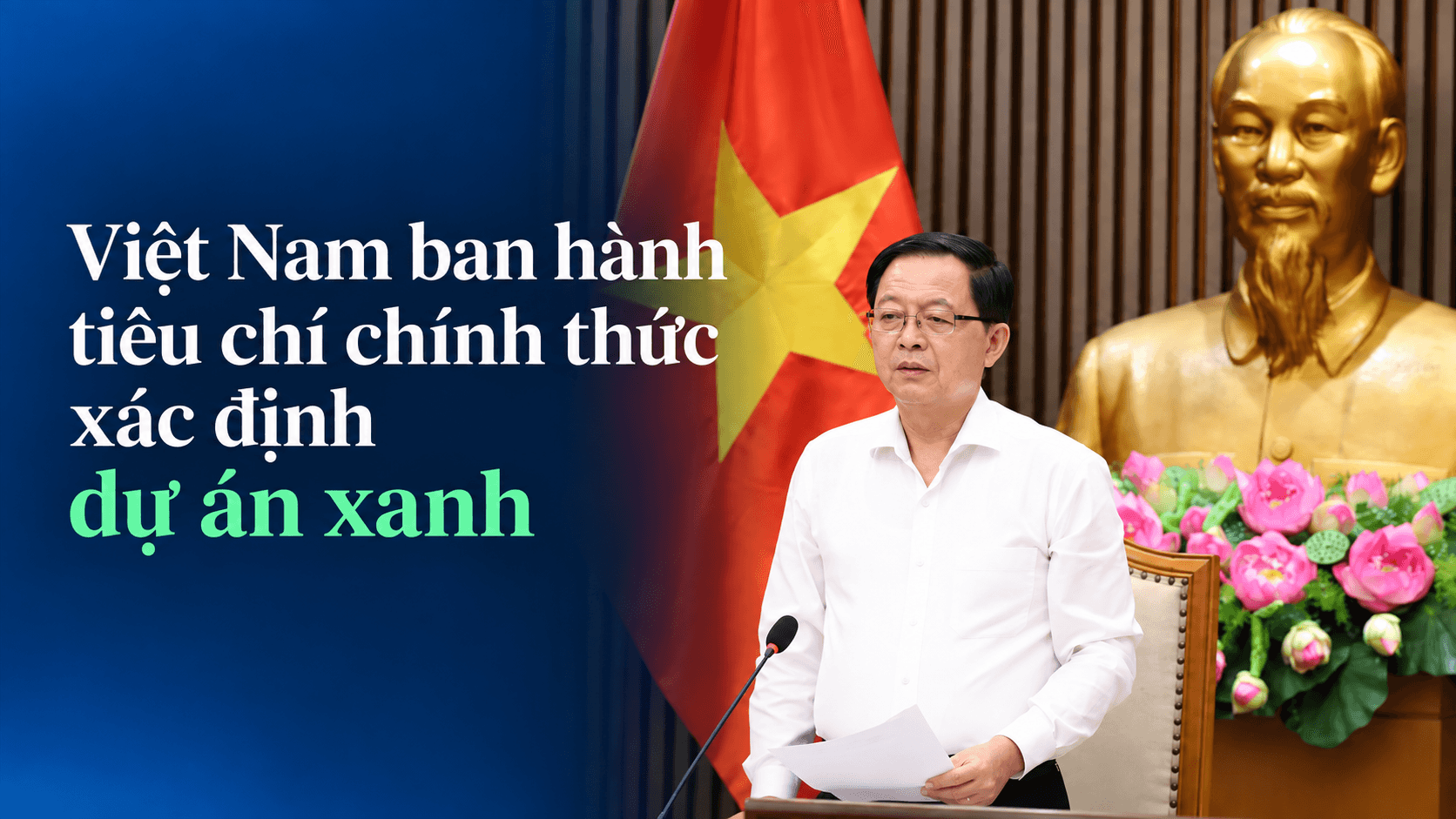
From November 1, 2026, Vietnam will have a unified legal framework to identify green projects, projects meeting circular criteria, and apply the environmental, social, and governance (ESG) framework. The new regulation is issued under Decision No. 46/2026/QĐ-TTg dated September 17, 2026, creating a clearer basis for businesses, business households, and individual business operators when implementing projects in a green and circular direction.
From the concept of "green" to a verifiable set of criteria
For many years, concepts such as "green projects", "circular projects", or "ESG" have been increasingly used in investment, finance, and business operations. However, determining whether a project truly meets green or circular criteria requires a unified and verifiable basis.
On September 17, 2026, Deputy Prime Minister Hồ Quốc Dũng signed Decision No. 46/2026/QĐ-TTg, providing guidance on identifying green projects, projects meeting circular criteria, and applying the environmental, social, and governance framework. The decision takes effect on November 1, 2026.
The decision applies to enterprises in the private economic sector, business households, and individual business operators; while also regulating the activities of independent assessment organizations, state agencies, commercial banks, off-budget state financial funds, and relevant organizations and individuals.
When is a project defined as a "green project"?
According to Decision 46/2026/QĐ-TTg, a project needs more than just a general "green" objective.
To be defined as a green project, the project must:
- Belong to the prescribed project types;
- Have appropriate objectives;
- And simultaneously meet the corresponding technical requirements in Appendix I issued with the Decision.
- The criteria are developed for specific sectors and fields rather than using a single standard for all projects.
According to the Government Electronic Newspaper, Appendix I sets out requirements for multiple project groups, including 10 types in the energy sector, 3 types in transport, 2 types in construction, 3 types in water resources, 12 types in agriculture – forestry – fishery and biodiversity conservation, 6 types in manufacturing – processing industry, and 9 types in environmental services.
Which projects can belong to the "green" group?
The specific list is quite broad.
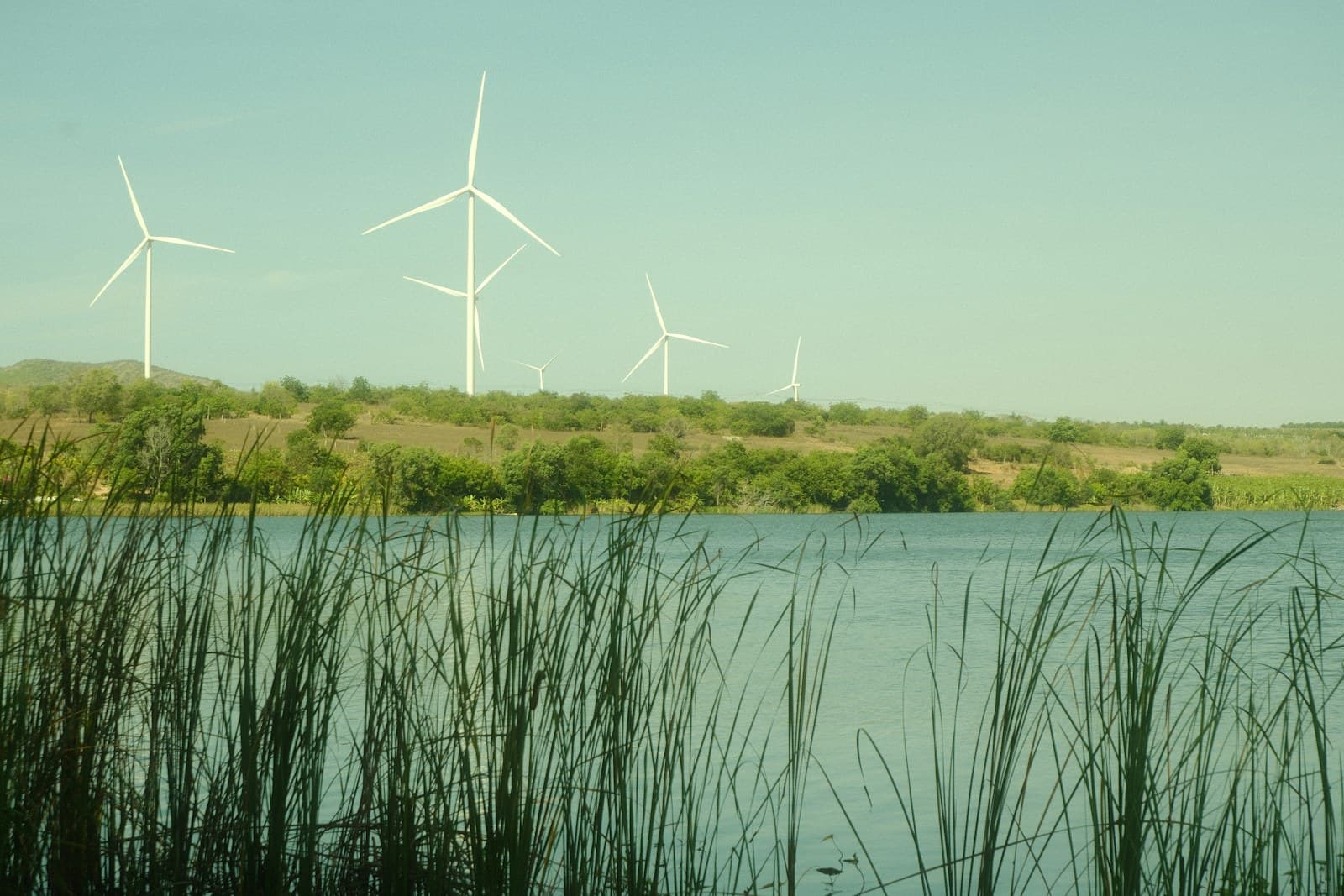
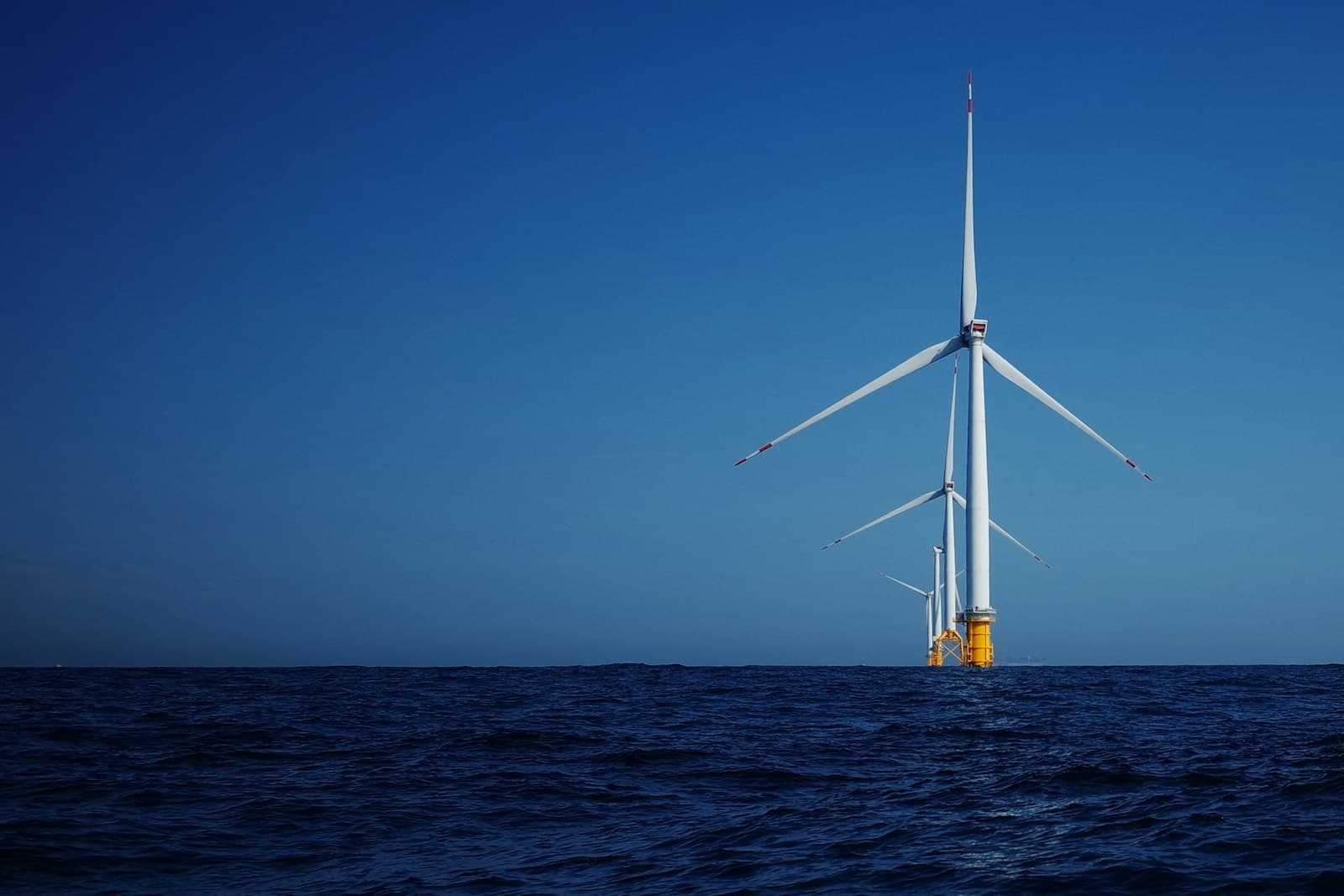
In the energy sector, cited examples include solar power generation, wind power, biomass gas, and the production of high-tech, environmentally friendly batteries and accumulators.
In transport, there are investment projects for zero-emission or low-carbon transport vehicles.
In construction, criteria include new construction or renovation of works towards green buildings, using energy economically and efficiently.
In agriculture, forestry, fishery, and biodiversity conservation, the list includes various activity groups such as agricultural production meeting sustainable standards and projects related to the conservation of biological resources.
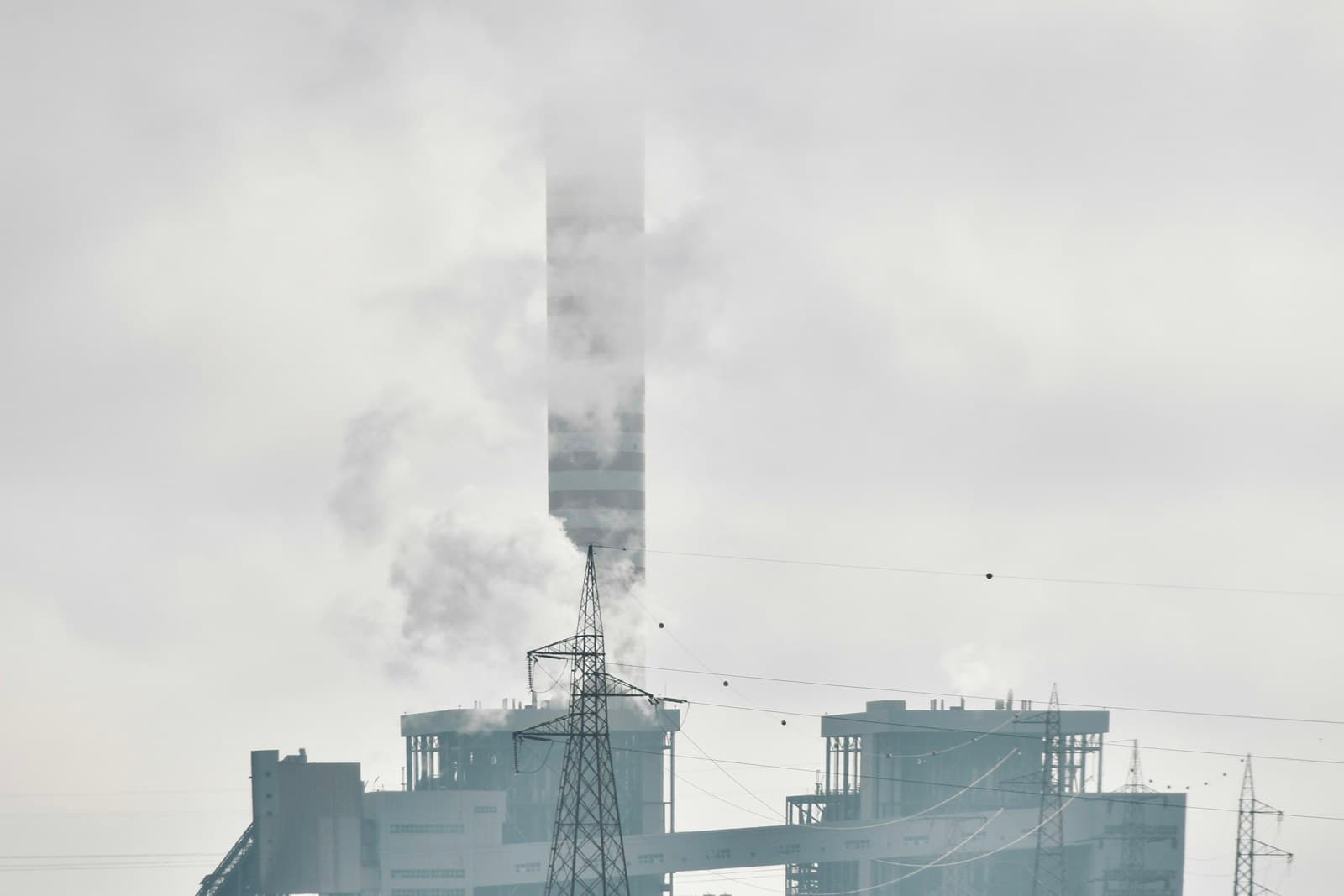
In environmental services, mentioned types include solid waste treatment, waste recycling, exhaust gas treatment, and other environmental activities.
Importantly, a project falling within the above fields is not automatically considered a green project. The project must still meet the corresponding specific technical requirements in Appendix I.
Circular projects are divided into 4 groups
Alongside green projects, the Decision also provides ways to identify projects meeting circular criteria. A project must belong to one of four groups and meet the requirements by sector, field, and product in Appendix II.
1. Circular design and production
These are projects applying circular measures right from the product design stage, production process, or service provision. Objectives may include reducing the use of non-renewable resources, improving material use efficiency, saving energy, and enhancing the use of environmentally friendly materials.
2. Circular use
This group focuses on extending the lifecycle of products and materials. Activities may include reuse, repair, renovation, upgrading, refurbishment, functional conversion, remanufacturing, leasing, or sharing products and equipment.
3. Resource recovery
Projects in this group apply measures such as collection, recycling of by-products and waste, or other forms of resource recovery. The objective is to limit generated waste and reduce negative environmental impacts.
4. Industrial symbiosis and circular linkage
These are models where multiple entities participate in efficiently utilizing materials, energy, and resources. Symbiotic activities can take place across sectors or within industrial zones, industrial clusters, urban areas, and concentrated residential areas. A typical example of this mindset is that a by-product or material stream from one entity can become an input for another.
Businesses cannot self-declare their projects as "green"
An important point of Decision 46/2026/QĐ-TTg is that the identification of green projects or projects meeting circular criteria must be conducted through an independent assessment organization. This means businesses cannot simply self-assess and announce that their project is green or circular.
Independent assessment organizations must meet multiple conditions, including:
- Having legal entity status;
- Having business registration in Vietnam or being established under decisions of competent state agencies;
- Operating in the field of conformity assessment or auditing;
- Meeting standards on confirmation capacity, verification, or assurance services, such as ISO/IEC 17029 or ISAE 3000 and corresponding Vietnamese standards.
This mechanism helps enhance the independence and verifiability of assessment results.
Green criteria linked with ESG and financial policy
The Decision does not stop at classifying green and circular projects but also regulates the application of the environmental, social, and governance (ESG) standards framework.
According to VnEconomy, if enterprises, business households, or individual business operators have projects identified as green or meeting circular criteria, and also have reports on applying the ESG framework, this can serve as a basis for considering interest rate support policies as prescribed.
Previously, during the policy-making process, the issue of defining green criteria was placed in the context of developing green credit and supporting businesses in accessing capital sources for sustainable transition. Therefore, the new set of criteria holds not only environmental significance but can also become an important link between green transition – ESG governance – green finance.
Project lists will be monitored and periodically published
The Decision also stipulates the responsibilities of regulatory agencies.
Provincial People's Committees are responsible for monitoring, synthesizing, and updating the lists of green projects, projects meeting circular criteria, and projects applying the ESG framework in their localities.
These lists must be periodically published on June 30 and December 31 annually on the Electronic Information Portal of the provincial People's Committee.
Localities are also responsible for inspecting the maintenance of project criteria and synthesizing information to report as prescribed.
This shows that being identified as "green" is not just an initial assessment step but is tied to subsequent monitoring processes.
What does the new regulation mean for businesses?
For businesses preparing or implementing projects related to renewable energy, waste treatment, recycling, circular production, energy saving, green buildings, resource conservation, or other fields in the portfolio, Decision 46 creates a more specific reference framework to review projects.
Instead of simply asking "Is our project green?", businesses will need to dive deeper into questions such as:
- Does the project fall within recognized types?
- What are the corresponding technical requirements?
- Are there sufficient records and data to prove it?
- Does the project meet circular criteria?
- To what extent has the application of ESG been recorded and reported?
- Which organization is qualified to perform independent assessments?
Preparing these contents early can help businesses better identify the gap between their project's current status and the requirements of the new set of criteria.
A step forward in standardizing the concept of "green"
Decision 46/2026/QĐ-TTg marks a shift from using the concept of "green" in a relatively broad way to a system with clearer portfolios, technical criteria, assessment processes, and monitoring mechanisms.
This can help reduce the situation where each organization uses a different understanding of green projects, while laying the foundation for policy support activities, green finance, and ESG governance.
For businesses pursuing green transition and circular economy, the period before the Decision takes effect on November 1, 2026 is an appropriate time to begin reviewing projects, technical dossiers, and related data according to the appendices of the Decision.
Document Information
Document name: Decision No. 46/2026/QĐ-TTg
Issuance date: September 17, 2026
Signatory: Deputy Prime Minister Hồ Quốc Dũng
Content: Guidance on identifying green projects, projects meeting circular criteria, and applying the environmental, social, and governance standards framework
Effective date: November 1, 2026. (Government Document)
View the full text of Decision 46/2026/QĐ-TTg on the Government Portal